 ultimate-guide
Is a Garage Door Maintenance Checklist Worth It in 2026?
Last Updated: October 30, 2026
Quick Summary
A garage door maintenance checklist is worth it because it catches worn rollers or misaligned tracks while they are still inexpensive fixes. Build your garage door maintenance around monthly safety tests, periodic hardware checks, lubrication, and an annual professional inspection.
- Service a residential garage door at least once a year and test the safety reversal system every month.
- Tighten bolts and hardware every 3-6 months and lubricate moving parts twice yearly.
- Leave spring, cable, and roller inspection and adjustment to a qualified technician.
- A balanced door stays put when lifted halfway by hand; one that drifts needs professional adjustment.
- Avoid lubricating the tracks on most doors and never lubricate the springs.
Table of Contents
- What Goes on a Garage Door Maintenance Checklist?
- How Often to Service a Garage Door (and How to Do a Safety Reversal Test)
- Garage Door Lubrication Guide for Homeowners
- Frequently Asked Questions
What Goes on a Garage Door Maintenance Checklist?
A garage door maintenance checklist is a scheduled list of inspection, cleaning, and lubrication tasks that keep a door, its hardware, and its opener working safely. A preventive maintenance program can be built around monthly safety tests, periodic hardware checks, lubrication, and an annual professional inspection.
Many homeowners only call when something breaks, but a checklist can catch a worn roller or misaligned track while it is still an inexpensive fix.
Inspect panels for cracks, rust, and chipped paint; tighten bolts on hinges, brackets, and the track; check springs, rollers, hinges, and cables for wear; check tracks for debris, damage, or misalignment; clean the door and tracks with mild soap; lubricate moving parts; test the auto-reverse and safety sensors; and check door balance under manual operation.
A common mistake is treating the checklist as a one-time project. It is a calendar, not a to-do list you finish once.
Task | Frequency | DIY or Pro |
|---|---|---|
Visual inspection of panels and hardware | Monthly | DIY |
Safety sensor and auto-reverse test | Monthly | DIY |
Tighten bolts and hardware | Every 3-6 months | DIY |
Lubricate moving parts | Twice yearly | DIY |
Clean door and tracks | Every 1-3 months | DIY |
Balance test | Every 3-6 months | DIY |
Spring, cable, and roller inspection | Annually | Pro |
Full professional service | Annually | Pro |
How Often to Service a Garage Door (and How to Do a Safety Reversal Test)
Service a residential garage door at least once a year, and test the safety reversal system every month. The annual visit covers parts that wear silently: springs, cables, and rollers.
Close the door and confirm the photo-eye sensors are aligned and clean. Place a solid object in the door's path at floor level between the sensors, then press the opener to close. Pass: the door reverses on contact or never starts because the beam is broken. Fail: the door keeps closing, stop using the opener and call for service.
A door that fails the reversal test is a crush hazard. Do not hold the button down and watch, and do not let anyone stand under the door to test it.
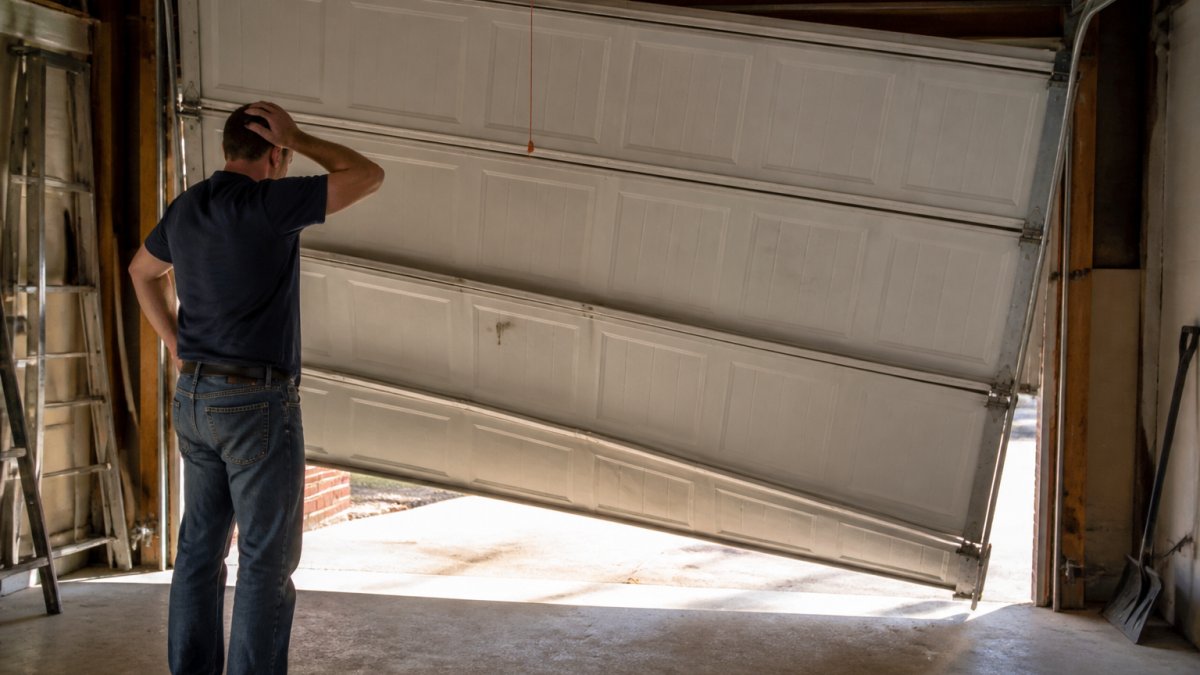
For the balance test, disconnect the opener and lift the door halfway by hand. A balanced door stays put; one that drifts down or fights you needs professional adjustment. If your door fails either test, our guide on how to fix a garage door that is stuck walks through the likely causes.
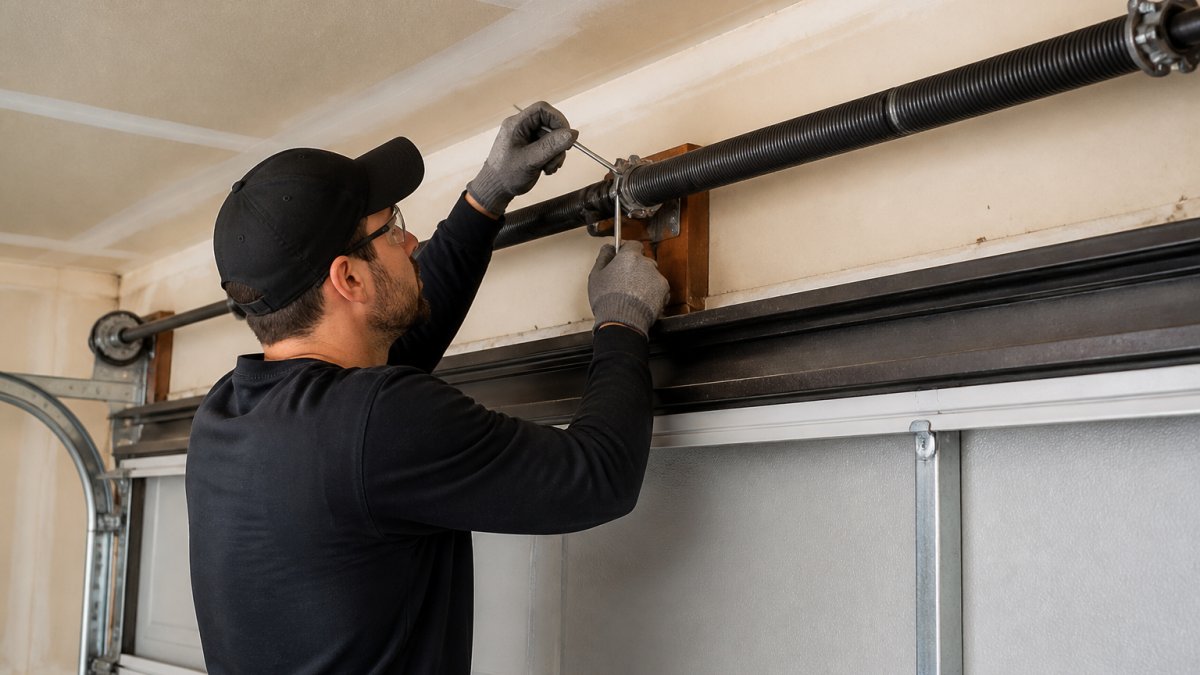
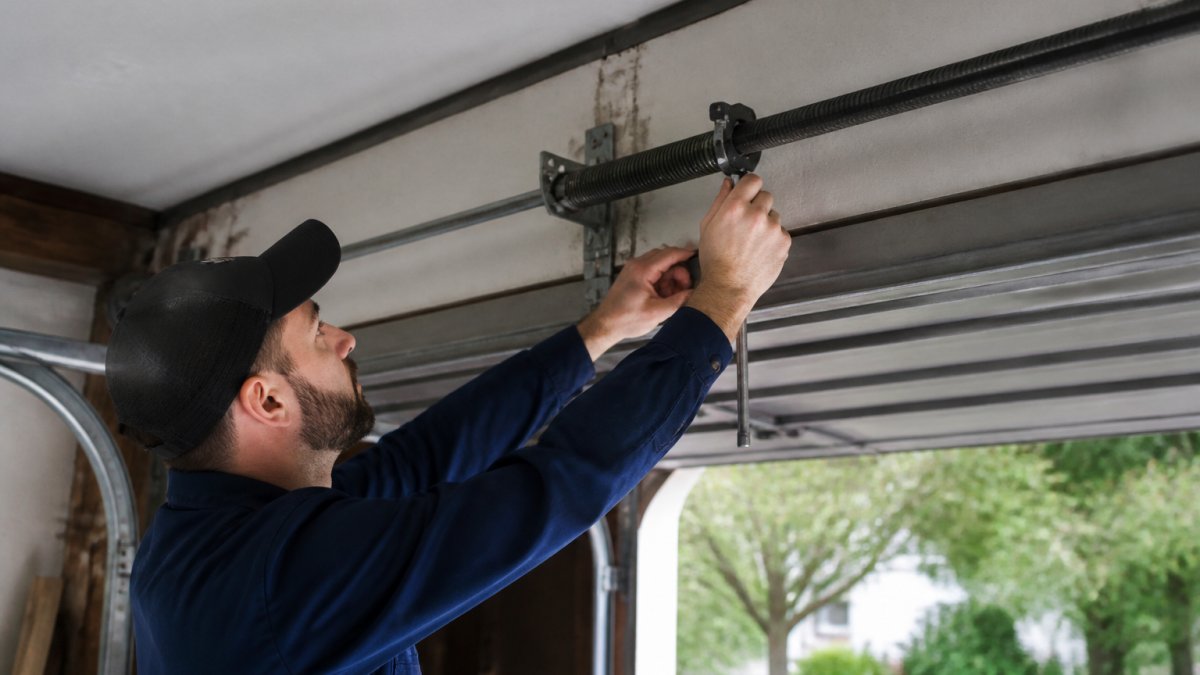
Springs and cables are where we draw the line. Torsion springs store enough energy to cause serious injury, so adjusting them or replacing a cable under tension should be left to a qualified technician.
If you would rather hand the annual service to someone who does it daily, see our garage door products and services and schedule a visit.
Garage Door Lubrication Guide for Homeowners
Lubricate hinges, rollers, and the opener's chain or screw periodically with a non-silicone garage door lubricant rather than household oil.
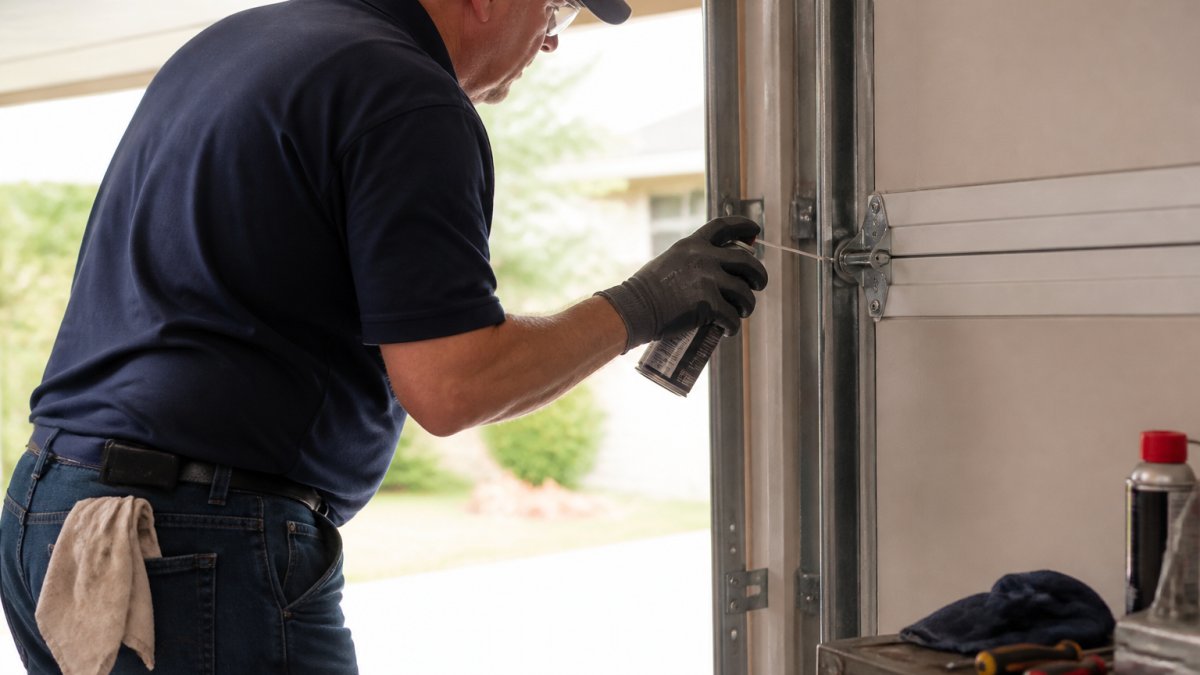
Noise is the usual reason people reach for the can. Persistent grinding after lubrication points to worn bearings or rollers, not a lube problem.
A checklist only works if you actually run it, and the monthly safety test is the one item you cannot skip. If your door is noisy, drifting, or failing the reversal test, JR Doors and More LLC can inspect it and service the opener. We work on residential and light commercial doors and openers. Get started with JR Doors and More LLC and schedule a service.
Frequently Asked Questions
What should be included in a garage door maintenance checklist?
A solid garage door maintenance checklist covers visual inspection of panels, hardware, springs, cables, and tracks; cleaning the door and tracks with mild soap; lubricating moving parts; tightening bolts; testing the safety reversal system; and checking door balance. It should also include a schedule for how often to service a garage door, plus notes on when to call a professional for springs, cables, or opener issues.
How often should you maintain a garage door?
Most homeowners should perform a visual inspection and safety test monthly, clean and lubricate moving parts every three to six months, and schedule a professional tune-up annually. If you use your door heavily or have a commercial overhead door, increase frequency to every three months. Following a garage door maintenance checklist by task and season prevents small issues from becoming costly repairs.
What can you safely inspect on a garage door yourself?
You can safely inspect door panels for cracks or chipped paint, check tracks for debris or misalignment, tighten bolts on hinges and brackets, clean sensor lenses, and test the auto-reverse feature with a small object. Do not attempt to adjust springs, cables, or the opener's force settings. If you notice frayed cables, broken springs, or unusual noise, stop using the door and call a qualified technician.